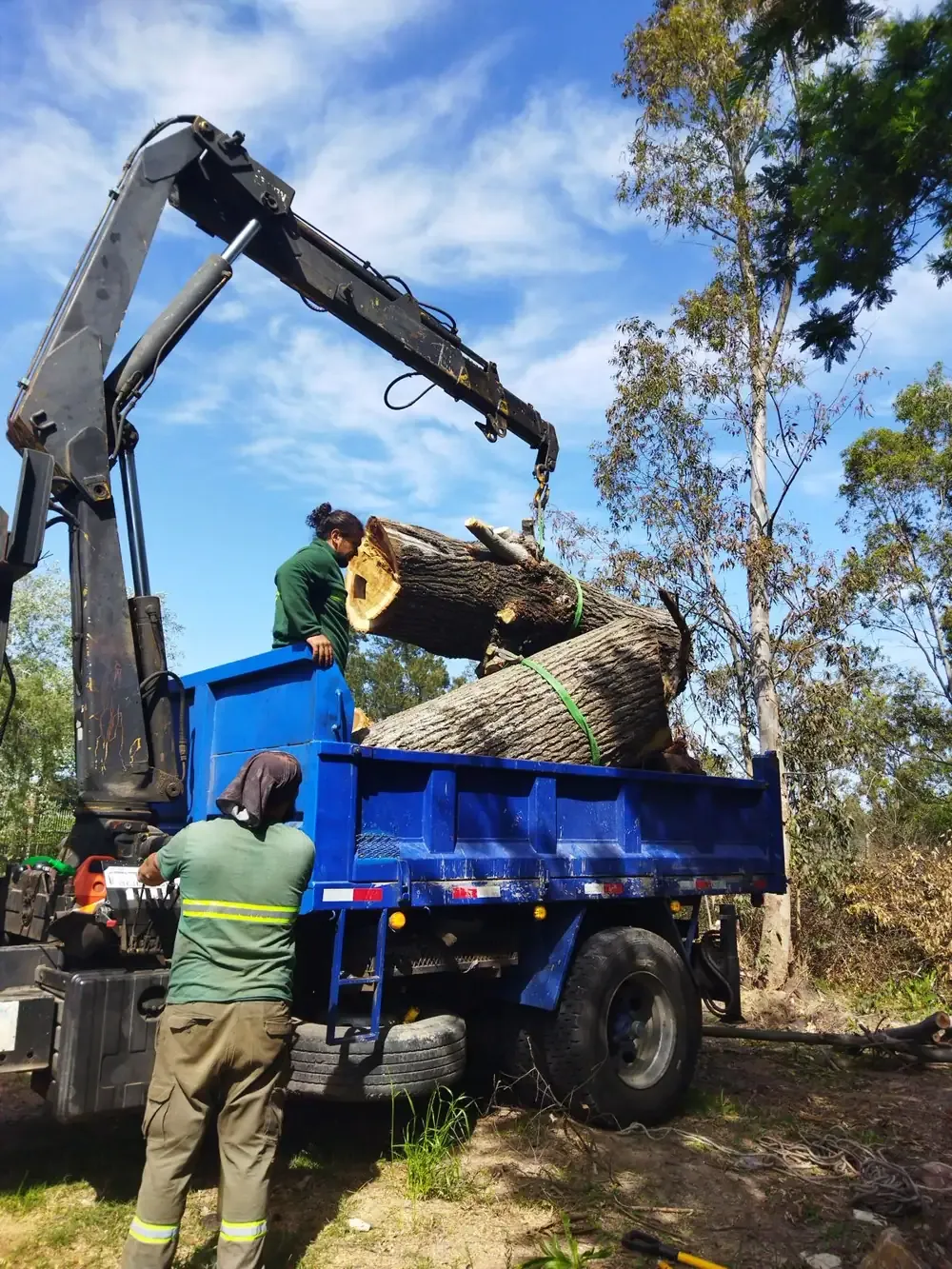
A safe crane lift starts with a plan, a qualified operator and a site where the crane stands on firm ground away from power lines. OSHA's crane rules (29 CFR 1926 Subpart CC) set the federal rules, and Chicago adds its own operator license. Here is what each part means for your lift.
What is a lift plan?
A lift plan is the written or worked-out plan for a lift: the load weight and rigging, the crane and its set-up spot, the radius and height, the path of the load, who is in charge and where people stand. For a simple lift it may be short. For a heavy or complex lift it is detailed. Ask the crane company to walk you through the plan for yours.
What is a critical lift?
A critical lift is a lift with extra risk that calls for a more detailed plan and sign-off. Companies and project owners define it in their own policies. Common examples are a lift close to the crane's capacity, a lift over an occupied building, a lift with two cranes, or a lift near power lines. The plan for a critical lift usually names every step and who approves it.
Does the operator need a licence or certification in Chicago?
Yes. Chicago requires a City crane operator license to operate a crane in connection with any work that requires a building permit, and it is illegal to let an unlicensed person run a crane you own or control. To get one, an operator must be 21 or older, have 2,000 hours of crane work in the prior 48 months or a recognized apprenticeship, hold a current federal crane operator certification for the types of crane, and pass written and practical exams. The license lists the equipment types the operator may run. Cook County also requires crane operators to register. NCCCO's list of states that license crane operators does not include Illinois. Ask to see the operator's City license card.
What does OSHA require for crane lifts?
OSHA requires the employer to make sure each operator is trained, certified or licensed, and evaluated (29 CFR 1926.1427(a)). Where a state or local government issues operator licenses, as Chicago does, that license is required there. OSHA also sets rules for power lines, signal persons, riggers, keeping workers out from under loads, and weather. The rules fall on the employer running the crane, so ask the crane company how it meets them.
How close can a crane get to power lines?
If any part of the crane, the load or the rigging could get closer than 20 feet to a power line, OSHA's rule (1926.1408) requires one of three steps. The utility can de-energize and visibly ground the line. The crew can keep everything 20 feet away. Or the crew can use the minimum distances in OSHA's Table A for the line's voltage:
| Line voltage | Minimum clearance (Table A) |
|---|---|
| Up to 50 kV | 10 feet |
| Over 50 to 200 kV | 15 feet |
| Over 200 to 350 kV | 20 feet |
| Over 350 to 500 kV | 25 feet |
| Over 500 to 750 kV | 35 feet |
| Over 750 to 1,000 kV | 45 feet |
| Over 1,000 kV | Set by the utility or a registered engineer |
If the operator cannot see the warning line, a dedicated spotter must be used. Chicago alleys are full of overhead wires, so this comes up often.
Can a crane work in high wind?
Sometimes, but not always, and OSHA gives no single wind speed. OSHA's rule says the competent person must adjust the equipment or the operation for the effect of wind, ice and snow on stability and rated capacity (1926.1417(n)). The crane maker's manual and load chart set the wind limits for each crane, and the operator stops the lift when the wind is unsafe. Wind off the lake and between tall buildings can be stronger than a forecast for the city.
What is a rigger and a signal person?
A rigger attaches the load to the crane, and a signal person guides the operator when the operator cannot see the load. OSHA says materials must be rigged by a qualified rigger when workers hook, unhook or guide a load in the fall zone, but riggers do not have to be certified by an accredited group. A signal person is needed when the operator cannot fully see the point of operation or the path of travel, or when safety calls for one. The signal person must pass an oral or written test and a practical test, with papers on site.
How do you keep people out from under the load?
The crew sets up a barrier or tape around the swing and drop zone and keeps people out of it while a load is in the air. OSHA says no employee may be in the fall zone while a load is suspended, with a few listed exceptions, and hoisting routes that limit exposure to the load must be used where available. On a city street, that may mean closing the sidewalk for the lift. Keep children and pets inside.
What about ground conditions, crane mats and buried utilities?
The crane has to stand on ground that can carry its outrigger loads, so the crew checks the ground and uses pads or crane mats to spread the weight. Soft lawns, fresh fill, sewer lines, catch basins and areaways near the curb can give way. Some older sidewalks can have vaults or areaways below them. Tell the crane company about anything buried, such as a septic tank, a sprinkler line or a basement that runs under the yard.
Can a crane lift in rain, snow or cold?
A crane can often lift in light rain or cold, but ice, snow, heavy rain and lightning can stop a lift. OSHA's rule lists wind, ice and snow as things the competent person must adjust for, and when a local storm warning is issued, the competent person decides whether to secure the crane. In a Chicago winter, ice on the load, the rigging or the roof is a real hazard, and frozen ground can thaw and soften under the outriggers.
Want a price for your own lift? Tell us what needs to move, roughly how heavy it is and where the crane could set up, and we will send a written quote with the crane size, the hours and the price. Call or text (312) 964-8313.
This is general information about Chicago, Illinois and federal rules, not legal or engineering advice. For your own lift, check with the office named or a qualified engineer.